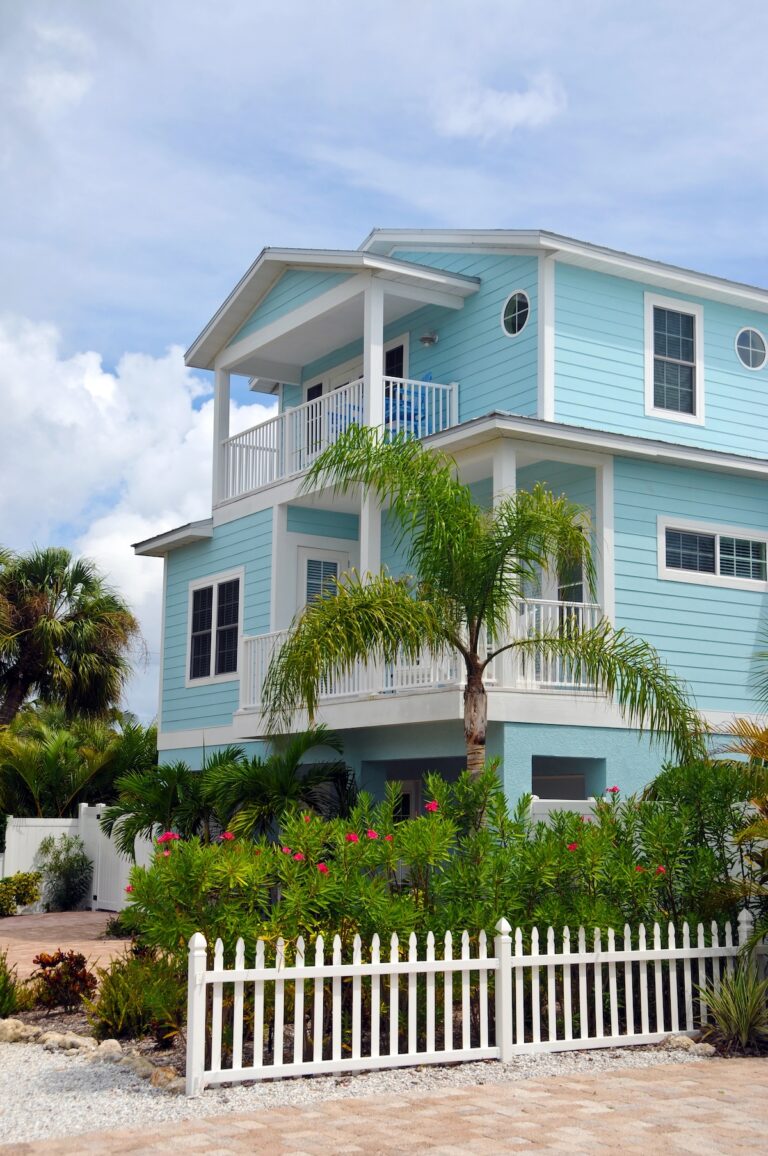

To prevent mold in an empty Florida home, keep the air conditioning running, keep indoor humidity below 60 percent, stop leaks fast, and have someone check the home regularly. Florida’s heat and humidity make closed-up homes especially prone to mold, but a few simple steps before you leave and while you’re away go a long way.
Why Empty Florida Homes Are Prone to Mold
Mold needs moisture, and Central Florida has plenty of it. When a home sits closed up, a few things can go wrong quickly:
- The AC is turned off or set too high, so humidity builds up inside.
- The AC fails during a summer heat wave and no one notices.
- A slow leak under a sink or from the AC drain line goes undetected for weeks.
- Storm water gets in around windows, doors, or the roof.
According to the EPA, mold can begin to grow within 24 to 48 hours after water damage. In an empty home, that’s why fast detection matters so much.
Set Your AC and Humidity Correctly
- Keep the AC on: UF/IFAS Extension recommends setting the thermostat between 80°F and 85°F in a closed-up Florida home and running central air at least two hours a day.
- Watch the humidity: Keep indoor relative humidity below 60 percent. The EPA suggests an ideal range of 30 to 50 percent when possible.
- Add a dehumidifier if needed: If your AC can’t control humidity on its own, FPL suggests running dehumidifiers set to about 58 percent, roughly one unit per 1,000 square feet. Make sure they drain properly.
- Use a smart thermostat: Choose one that reports indoor humidity so you can check it from your phone.
Keep Water Out
- Install water leak sensors near the water heater, washing machine, sinks, toilets, and AC air handler.
- Have the AC condensate drain line cleaned during routine service. Clogged lines are a common source of water damage.
- For longer trips, consider shutting off the main water valve and turning off the water heater at the breaker, unless a fire sprinkler system needs the water on.
- Check window and door seals and the roof each year, and after major storms.
Prep Your Home Before You Leave
- Clean and dry bathrooms and the kitchen, and clean up any existing mold or mildew.
- Leave interior doors and closet doors open to help air circulate.
- Place moisture absorbers, like silica gel or calcium chloride products, in closets and other small closed spaces.
- Remove houseplants, which add moisture to the air.
- Leave the refrigerator running, or if you turn it off, clean it and prop the doors open.
Warning Signs of Mold
- A musty or earthy smell when you walk in
- Dark spots on walls, ceilings, grout, or around AC vents
- Condensation on windows or sweating air vents
- Peeling paint, warped baseboards, or bubbling drywall
What to Do If You Find Mold
Start by fixing the moisture source, whether that’s a leak, high humidity, or a failed AC. The EPA says you can generally clean up a moldy area smaller than about 10 square feet yourself. For larger areas, mold in the AC system, or mold caused by contaminated water, hire a professional mold remediation company.
Have Someone Check the Home Weekly
Smart devices can warn you about a problem, but someone still needs to see it and fix it. Weekly home watch visits catch AC failures, leaks, and rising humidity early, before they turn into mold. See what a visit covers in What Does a Home Watch Visit Include?, and read our Florida Vacation Home Maintenance guide for a season-by-season plan.
Homes & Living Collective provides weekly home watch visits with photo reports for vacation and second homes in Winter Garden, Windermere, Montverde, Dr. Phillips, and nearby communities. Learn more about our Vacation Home Management services or schedule a free consultation.
Keep reading: How to Manage a Florida Vacation Home from Afar and How to Choose the Right Vendors for Your Central Florida Vacation Home.
Mold Prevention FAQs
Keep indoor relative humidity below 60 percent. The EPA suggests an ideal range of 30 to 50 percent when possible.
UF/IFAS Extension recommends setting the thermostat between 80°F and 85°F in a closed-up Florida home and running the AC at least two hours a day. Never turn the AC off completely.
According to the EPA, mold can begin to grow within 24 to 48 hours after water damage, which is why fast detection matters in an empty home.
If your AC can’t keep humidity below 60 percent on its own, a dehumidifier helps. FPL suggests setting dehumidifiers to about 58 percent, roughly one unit per 1,000 square feet, and making sure they drain properly.
Weekly checks are a good standard, especially from late spring through fall. A weekly visit can catch an AC failure, leak, or rising humidity before mold takes hold.
About the Author
Nicole Mickle is the founder of Homes & Living Collective. With more than 20 years in the real estate industry, including work as a mortgage broker, loan officer, transaction coordinator, and founder of a mobile notary closing company, she helps homeowners in Winter Garden, Windermere, Montverde, Dr. Phillips, and nearby communities keep their homes cared for, whether they live here full time or visit a few times a year.